Category: Uncategorized

  • Exploring the Serenity of Ghum Monastery

    Exploring the Serenity of Ghum Monastery

    A Journey into Darjeeling’s Spiritual Heart

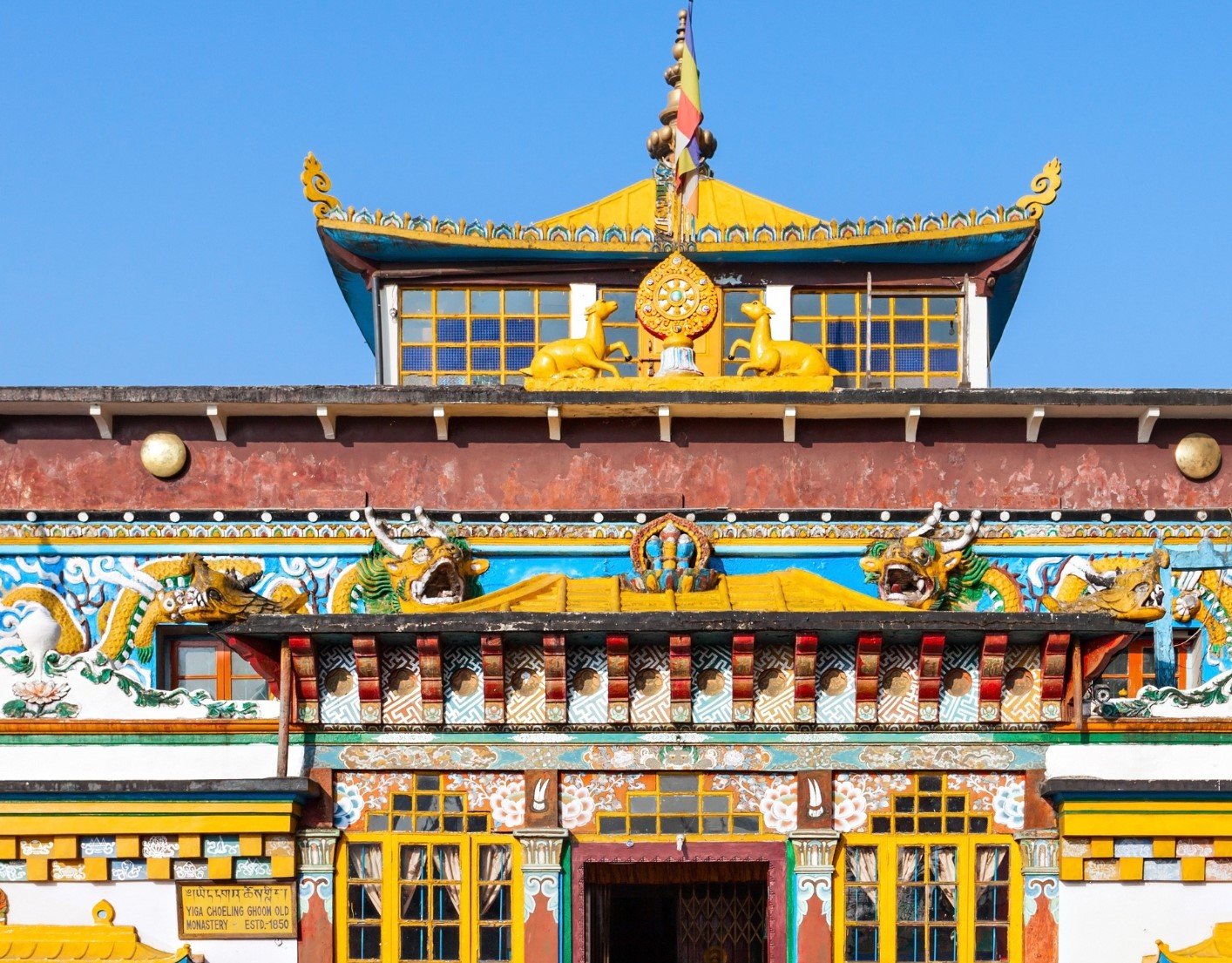
    Nestled in the misty embrace of the Eastern Himalayas, the Ghum Monastery stands as a timeless symbol of peace, spirituality, and stunning Tibetan architecture. Located in the charming hill station of Darjeeling, West Bengal, this iconic monastery, also known as the Yiga Choeling Monastery, is not only one of the oldest in the region but also one of the most revered. For travelers, photographers, and seekers of inner peace, a visit to Ghum Monastery offers a slice of Himalayan magic that is hard to forget.

    The Spiritual Heart of Darjeeling

    Perched at an altitude of 7,407 feet, the Ghum Monastery invites travelers into an ethereal world where the echoes of Tibetan chants and the fragrance of incense blend harmoniously with the crisp Himalayan air. Built in 1850 by the Mongolian monk Sokpo Sherab Gyatso, the monastery is deeply rooted in Tibetan Buddhism. It follows the Gelug school, known for its meditative practices and teachings that promote peace, compassion, and enlightenment.

    The Enchanting 15-Foot Maitreya Buddha

    At the heart of the monastery lies its greatest treasure – the towering 15-foot statue of Maitreya Buddha, also known as the “Future Buddha.” This grand statue, crafted with intricate details and adorned with jewels, is a focal point for pilgrims and visitors alike. As you stand before the Buddha, you’ll feel a profound sense of calm and spirituality wash over you, a feeling amplified by the peaceful surroundings and the meditative ambiance of the temple.

    Stunning Tibetan Architecture and Art

    The monastery’s architecture is a beautiful blend of traditional Tibetan design and vibrant artistry. Walls are adorned with vivid murals that depict various aspects of Buddhist philosophy, teachings, and symbols. Ancient thangkas, or Tibetan scroll paintings, hang on the walls, illustrating stories from the life of the Buddha. Each detail reflects the skill and devotion of the Tibetan artisans who crafted them.

    The serene environment encourages visitors to slow down, absorb the beauty of each corner, and perhaps even take a quiet moment to meditate, allowing the soul to connect with the simplicity and purity that the monastery radiates.

    Ghum’s Scenic Surroundings

    Beyond the monastery, the location itself offers breathtaking views of the Darjeeling hills and, on a clear day, the majestic peaks of Kanchenjunga in the distance. The landscape is often enveloped in mist, adding an element of mystique that enhances the monastery’s appeal. Visitors can enjoy the fresh mountain air, and photographers will find endless opportunities to capture the mesmerizing interplay of clouds and mountains.

    A Meeting Place of Cultures

    Ghum Monastery is not only a place of worship but also a cultural hub that bridges the Tibetan and Nepali communities in Darjeeling. It’s a place where travelers from around the world gather, immersing themselves in Tibetan culture, Buddhism, and a shared appreciation for peace and spiritual wisdom. Visitors can also participate in the prayer ceremonies and engage with the resident monks, who are always warm and welcoming.

    Practical Tips for Visiting Ghum Monastery

    1. Getting There: Located just a short drive from Darjeeling, you can reach Ghum Monastery by shared jeeps, private taxis, or even by the famous Darjeeling Himalayan Railway (Toy Train) – a UNESCO World Heritage site.
    2. Best Time to Visit: Early mornings or late afternoons are ideal for experiencing the monastery in a quiet, peaceful setting. The best months to visit are between October and December, when the skies are usually clear and you can enjoy the scenic views.
    3. Entry: The monastery is open to visitors year-round and has no entry fee, but donations are always appreciated to support the upkeep and activities of the temple.
    4. Respect the Space: Remember to dress modestly, and always seek permission before photographing the monks or sacred artifacts out of respect for the monastery’s cultural and religious significance.

    A Lasting Memory of Peace and Positivity

    Ghum Monastery isn’t just a tourist spot – it’s a spiritual sanctuary where time seems to stand still. Visiting here is a reminder of the simple joys of life, the beauty of serenity, and the warmth of shared spirituality. Whether you’re a spiritual seeker, a culture enthusiast, or simply someone looking for a peaceful retreat, Ghum Monastery promises an experience that will remain with you long after you leave.

    Embark on this journey into the heart of the Himalayas, and let the wisdom of Ghum Monastery guide you toward a profound sense of peace, hope, and happiness.
  • A Journey to the Majestic Kanchanjungha !

    A Journey to the Majestic Kanchanjungha !

    Exploring the Jewel of the Himalayas –

    If you’ve ever dreamed of experiencing the sublime beauty of the Himalayas, a trip to Kanchanjungha should be on the top of your travel list. Standing as the third-highest mountain in the world, this majestic peak isn’t just a sight—it’s an experience that awakens the soul. From pristine lakes and emerald forests to rich culture and local folklore, Kanchanjungha offers everything an adventurer could desire. Here’s an enticing guide to make the most of this Himalayan treasure.


    1. The Journey Begins: Siliguri to Darjeeling

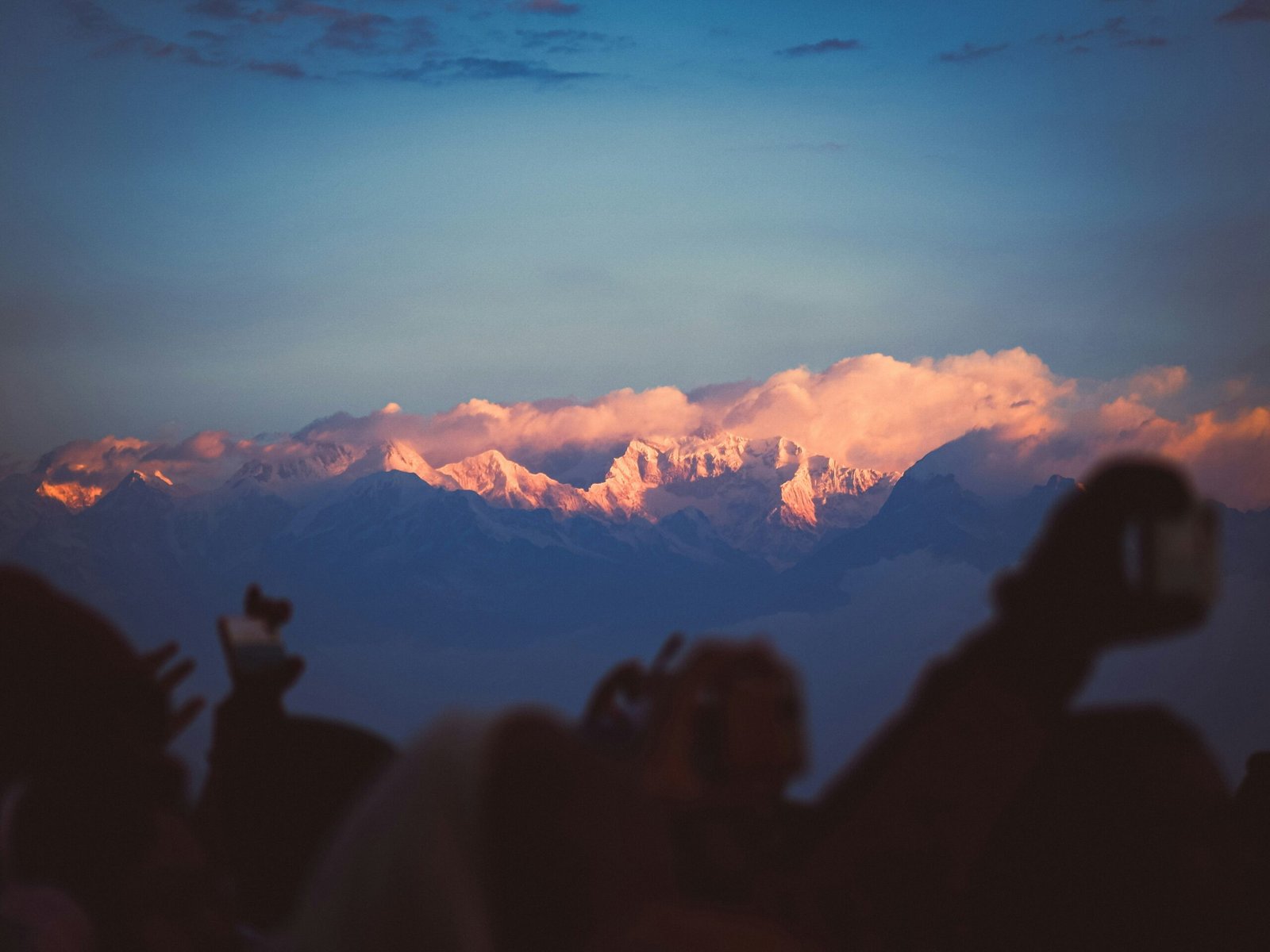
    Most trips to Kanchanjungha start in Siliguri, a gateway city in West Bengal. From here, you can take a scenic drive to the hill station of Darjeeling, where Kanchanjungha first unveils itself in the morning mist. The sunrise view from Tiger Hill, illuminating the peak in golden hues, is a mesmerizing start to your adventure. Don’t miss exploring the quaint tea gardens and sampling some local brews before moving on.

    2. Trekking in the Shadows of Giants

    For trekkers, the real excitement begins as you journey closer to the base. The Singalila Ridge trek, a popular route, offers awe-inspiring panoramas of not just Kanchanjungha but also Everest and Makalu. Passing through rhododendron forests and small mountain villages, the trek is a blend of natural beauty and local culture, providing a truly immersive experience. The Dzongri and Goecha La trek are equally rewarding, with the latter offering a near-celestial view of Kanchanjungha at sunrise.

    3. Connecting with Local Culture in Yuksom

    The peaceful town of Yuksom in Sikkim is not just a base for treks but also a cultural treasure trove. Once the capital of Sikkim, Yuksom offers insights into Sikkimese culture and Buddhism, with ancient monasteries like Dubdi Monastery where monks chant their meditative prayers. You can interact with locals, sample delicious Tibetan dishes, and learn about the deep-rooted traditions that have been passed down for centuries.

    4. Khecheopalri Lake: A Sacred Detour

    Near Kanchanjungha, Khecheopalri Lake is believed to be a wish-fulfilling lake, and its crystal-clear waters hold a special place in the hearts of both locals and visitors. Surrounded by lush greenery, it’s a spot for peaceful reflection, often covered in a blanket of serene silence. Don’t be surprised if you see birds plucking leaves off the lake’s surface, a local belief holds that the lake should always remain clean.

    5. Flora and Fauna of Kanchanjungha National Park

    Declared a UNESCO World Heritage Site, Kanchanjungha National Park is a biodiversity hotspot. Here, one can spot endangered species like the red panda, snow leopard, and Himalayan black bear. The park is a sanctuary for birdwatchers too, with countless species inhabiting the area. Be prepared to encounter a variety of flora unique to high altitudes, including exotic orchids and towering pines that seem to reach out to the sky.

    6. Soaking in the Spirit of Serenity at Pelling

    If you’re seeking tranquility after an adventurous trek, Pelling is the ideal spot to rest and reflect. Offering some of the best views of Kanchanjungha from your hotel balcony, this town invites you to slow down and truly absorb the Himalayan spirit. From Pemayangtse Monastery, a 17th-century marvel, to Rabdentse Ruins, every corner of Pelling whispers tales of the region’s mystical history and spiritual depth.

    7. Tips for Your Kanchanjungha Adventure

    • Best Time to Visit: The most popular months are from March to May and September to November, when the weather is clear and the views are spectacular.
    • Trekking Essentials: High-altitude treks require preparation, so pack warm layers, sturdy shoes, water purifiers, and a well-equipped first aid kit.
    • Respect the Culture: The people around Kanchanjungha hold their mountain in reverence; avoid littering and be respectful towards local customs and nature.
    • Travel Light: For treks, it’s best to pack minimally. Every item adds to the weight, so only bring what you need for a comfortable experience.

  • A Memorable Trip to Darjeeling: The Queen of the Hills !

    A Memorable Trip to Darjeeling: The Queen of the Hills !

    Day 1: The Journey Begins

    The journey to Darjeeling was an adventure in itself. Starting from the bustling New Jalpaiguri (NJP) station, we traveled through winding roads, each turn revealing mesmerizing views of misty mountains, green valleys, and small hill-side hamlets. The cool breeze, the scent of pine trees, and the occasional glimpse of a colorful prayer flag made the experience even more charming.

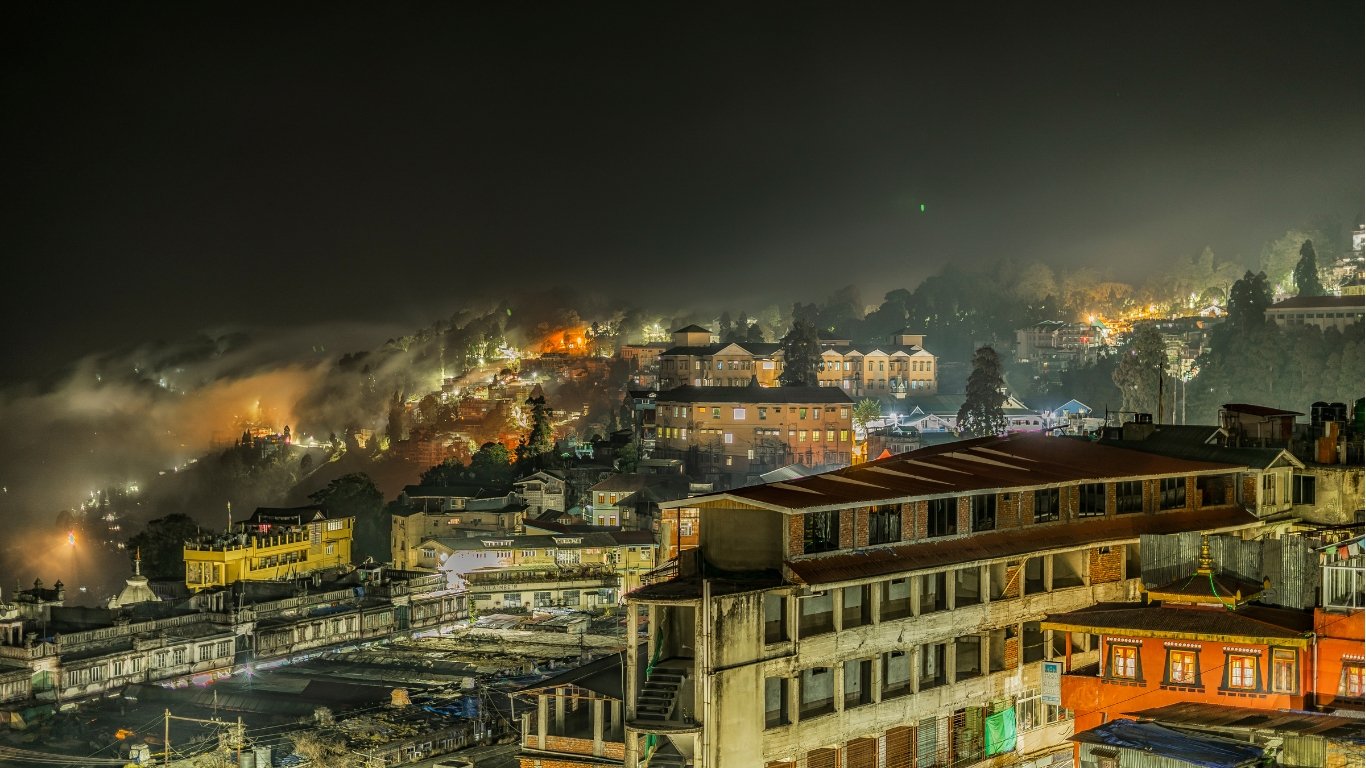
    Arriving in Darjeeling, we were greeted by a refreshing chill in the air. The hotel, perched on a hillside, offered stunning views of the surrounding mountains and valleys. We settled in and spent the evening exploring the bustling Mall Road, with its quaint shops selling handicrafts, woolen clothes, and, of course, local tea.


    Day 2: Sunrise at Tiger Hill

    The next morning started early with a drive to Tiger Hill to witness the sunrise. Despite the cold and the early start, the experience was beyond words. As the first rays of sunlight hit the horizon, the view of Mount Kanchenjunga in the distance was simply breathtaking. The mountains turned from gray to orange, and finally a glowing gold—a sight that remains etched in my memory.

    Afterward, we visited the Ghoom Monastery, one of the oldest Tibetan Buddhist monasteries in Darjeeling, where the peaceful atmosphere and colorful prayer flags created an aura of tranquility. We also stopped at the Batasia Loop, a scenic train loop where the Toy Train spirals around a beautiful garden, offering panoramic views of Darjeeling and the surrounding mountains.


    Day 3: Exploring Tea Gardens and the Toy Train

    Darjeeling is synonymous with tea, so a trip to the famous tea gardens was a must. We visited the Happy Valley Tea Estate, where we learned about the entire tea-making process, from picking to processing. The lush, green gardens stretching over the hills were a sight to behold, and sampling freshly brewed Darjeeling tea was a highlight of the trip.

    Later, we took a ride on the Darjeeling Himalayan Railway (Toy Train), a UNESCO World Heritage site. Chugging along the hillsides, passing villages and tea estates, the Toy Train offered a unique perspective of the region’s beauty. The rhythmic motion and old-world charm of the train made it an unforgettable experience.


    Day 4: A Walk Around the Town

    On the last day, we explored Darjeeling’s town and visited the Darjeeling Zoo, which is home to rare Himalayan wildlife like red pandas, snow leopards, and Tibetan wolves. Adjacent to the zoo is the Himalayan Mountaineering Institute, where you can learn about the history of mountaineering in the Himalayas and see fascinating exhibits from famous expeditions.

    We also visited the Japanese Peace Pagoda, a serene spot offering incredible views of the mountains. The Pagoda’s golden Buddha statues and tranquil surroundings made it the perfect place to reflect on our journey.


    Leaving Darjeeling: A Farewell to the Hills

    As we packed up and prepared to leave, I felt a pang of sadness to say goodbye to this magical place. Darjeeling, with its natural beauty, welcoming locals, and timeless charm, left a deep impression on me. The cool mountain air, the majestic views of Kanchenjunga, and the memories of steaming cups of tea shared with friends made this trip unforgettable.

Write a review

pakjp pakjp pakjp pakjp gadaitoto pakjp pakjp