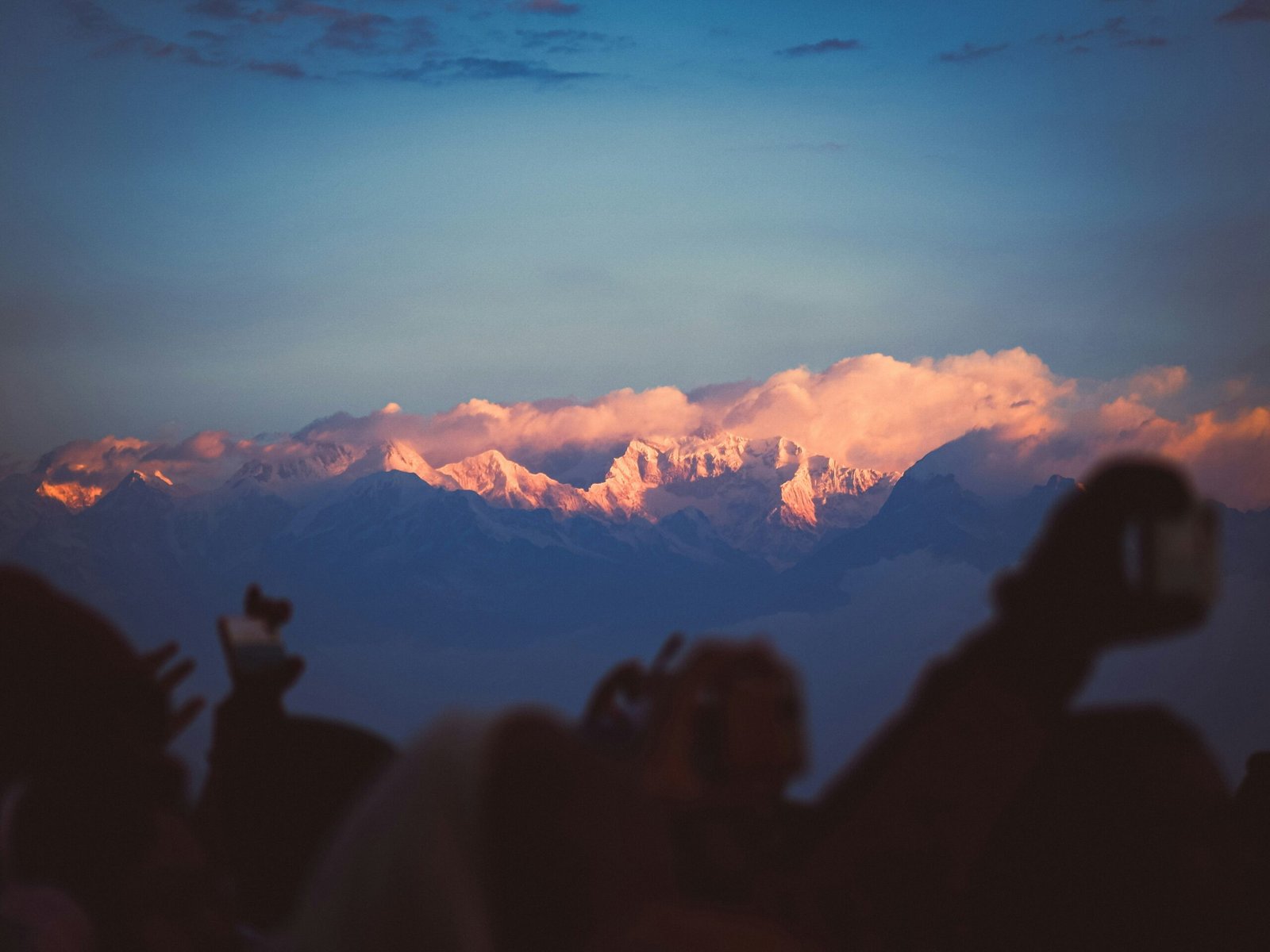
Exploring the Jewel of the Himalayas –
If you’ve ever dreamed of experiencing the sublime beauty of the Himalayas, a trip to Kanchanjungha should be on the top of your travel list. Standing as the third-highest mountain in the world, this majestic peak isn’t just a sight—it’s an experience that awakens the soul. From pristine lakes and emerald forests to rich culture and local folklore, Kanchanjungha offers everything an adventurer could desire. Here’s an enticing guide to make the most of this Himalayan treasure.
1. The Journey Begins: Siliguri to Darjeeling
Most trips to Kanchanjungha start in Siliguri, a gateway city in West Bengal. From here, you can take a scenic drive to the hill station of Darjeeling, where Kanchanjungha first unveils itself in the morning mist. The sunrise view from Tiger Hill, illuminating the peak in golden hues, is a mesmerizing start to your adventure. Don’t miss exploring the quaint tea gardens and sampling some local brews before moving on.
2. Trekking in the Shadows of Giants
For trekkers, the real excitement begins as you journey closer to the base. The Singalila Ridge trek, a popular route, offers awe-inspiring panoramas of not just Kanchanjungha but also Everest and Makalu. Passing through rhododendron forests and small mountain villages, the trek is a blend of natural beauty and local culture, providing a truly immersive experience. The Dzongri and Goecha La trek are equally rewarding, with the latter offering a near-celestial view of Kanchanjungha at sunrise.
3. Connecting with Local Culture in Yuksom
The peaceful town of Yuksom in Sikkim is not just a base for treks but also a cultural treasure trove. Once the capital of Sikkim, Yuksom offers insights into Sikkimese culture and Buddhism, with ancient monasteries like Dubdi Monastery where monks chant their meditative prayers. You can interact with locals, sample delicious Tibetan dishes, and learn about the deep-rooted traditions that have been passed down for centuries.
4. Khecheopalri Lake: A Sacred Detour
Near Kanchanjungha, Khecheopalri Lake is believed to be a wish-fulfilling lake, and its crystal-clear waters hold a special place in the hearts of both locals and visitors. Surrounded by lush greenery, it’s a spot for peaceful reflection, often covered in a blanket of serene silence. Don’t be surprised if you see birds plucking leaves off the lake’s surface, a local belief holds that the lake should always remain clean.
5. Flora and Fauna of Kanchanjungha National Park
Declared a UNESCO World Heritage Site, Kanchanjungha National Park is a biodiversity hotspot. Here, one can spot endangered species like the red panda, snow leopard, and Himalayan black bear. The park is a sanctuary for birdwatchers too, with countless species inhabiting the area. Be prepared to encounter a variety of flora unique to high altitudes, including exotic orchids and towering pines that seem to reach out to the sky.
6. Soaking in the Spirit of Serenity at Pelling
If you’re seeking tranquility after an adventurous trek, Pelling is the ideal spot to rest and reflect. Offering some of the best views of Kanchanjungha from your hotel balcony, this town invites you to slow down and truly absorb the Himalayan spirit. From Pemayangtse Monastery, a 17th-century marvel, to Rabdentse Ruins, every corner of Pelling whispers tales of the region’s mystical history and spiritual depth.
7. Tips for Your Kanchanjungha Adventure
- Best Time to Visit: The most popular months are from March to May and September to November, when the weather is clear and the views are spectacular.
- Trekking Essentials: High-altitude treks require preparation, so pack warm layers, sturdy shoes, water purifiers, and a well-equipped first aid kit.
- Respect the Culture: The people around Kanchanjungha hold their mountain in reverence; avoid littering and be respectful towards local customs and nature.
- Travel Light: For treks, it’s best to pack minimally. Every item adds to the weight, so only bring what you need for a comfortable experience.